
Why Environmentally Friendly Remediation Matters for Communities and Future Land Use

Every community depends on clean, safe, and stable land. Whether it is a new commercial development, a residential subdivision, a farm, or a former industrial site, contaminated soil poses long term risks if it is not handled properly. Hydrocarbons, chemicals, and heavy metals can slowly travel through the ground over time, affecting water sources, vegetation, and public health.
Environmentally responsible remediation solves this problem at the source. By treating soil on site, the contamination is neutralized instead of buried elsewhere. This protects local ecosystems and ensures that future developments are built on safe, stable ground.
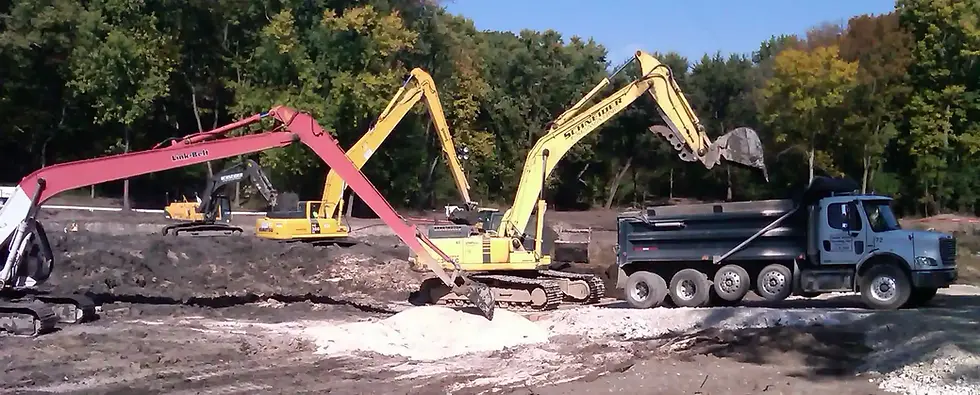
There is also a significant benefit to the surrounding community. On site cleanup avoids the heavy truck traffic normally required for hauling contaminated soil to landfills. Fewer trucks means less dust, lower noise, reduced emissions, and a safer working zone for everyone.
Modern remediation also aligns with environmental regulations and ESG commitments that many companies are now required to follow. Businesses that prioritize sustainability are more likely to earn community support, win bids, and stay compliant with future environmental standards.
At its core, responsible soil cleanup is about more than meeting regulations. It is about restoring land so that it can be used again safely and productively. It protects wildlife, preserves natural resources, and creates opportunities for clean redevelopment that benefits everyone.

Comments