
The Hidden Costs of Hauling Contaminated Soil and How On Site Remediation Eliminates Them

Updated: Nov 27, 2025
Most contractors and project managers already know that hauling contaminated soil is expensive. What many do not realize is how many hidden costs add up throughout the process. Fuel, truck delays, landfill wait times, mileage, equipment hours, contaminated load insurance, and rising disposal fees can turn even a small job into a major unexpected expense.
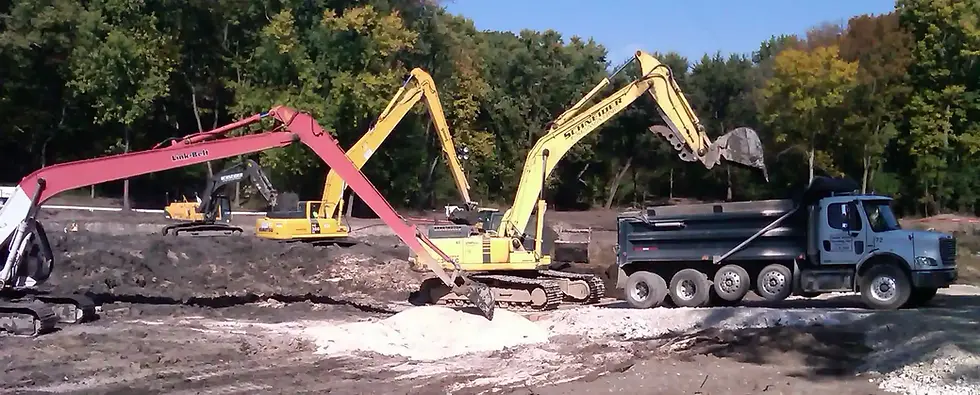
Hauling 2,000 tonnes of soil over a 100 kilometer distance can involve dozens of trucks making repeated trips across several days or even weeks. Every trip burns fuel, increases emissions, and contributes to frost damage on rural roads. It also exposes the project to risks like weather delays or trucking shortages, which are common in Alberta.
On site soil remediation removes nearly all of these hidden costs. Instead of trucking soil away, the contaminated material is processed where it already sits. Once cleaned, it can be reused immediately as fill or grading material. This means no waiting for trucks, no worrying about landfill hours, and no need to source and transport new clay or fill.
The financial savings are clear. The environmental advantages are even stronger. By drastically reducing truck movement, the project avoids unnecessary emissions and prevents potential contamination during transport. The soil also stays where it came from, which preserves the natural integrity of the land.
For companies looking to stay competitive, efficient, and environmentally responsible, eliminating these hidden costs is no longer optional. It is becoming the preferred standard.

Comments